WOMEN IN AGRICULTURE DEVELOPMENT PROGRAMMES ORGANIZED IN BONO REGION

Ongoing projects, such as FNGAP, have enhanced dietary diversity in the Bono Region by integrating home gardens into CARE Farmer Field and Business School (FFBS) model. This approach empowers women to cultivate a variety of nutritious foods, including vegetables and poultry, thereby improving household nutrition and reducing anemia among women and children.
Through collaborative efforts, some women in the Bono Region have been supported in engaging in value-added activities by receiving training in food processing, packaging, and marketing. This has enabled women-led cooperatives to add value to agricultural products, increasing income and reducing post-harvest losses.
The type of nutrition-based programs implemented by WIAD or in collaboration with other partners are Nutrition-Friendly School Initiatives, in partnership with Care International and G-Shep, supported by JICA. For the production and consumption of bio-fortified and high-nutrient crops, the people trained were disaggregated by gender. From the implementation of these strategies, the Bono Region has made significant progress in improving the nutritional status of its population.

Some results of interventions carried out were;
- Approximately 60% to 70% of women dominate post-harvest labor, especially in cassava and maize production.
- Five (5) training/demonstrations on food enrichment (processing) were conducted. A total of 233 participants (52 males, 181 females) participated.
- CARE GH conducted training for the Banda and Sunyani West district officers and trained women groups in these two districts on Pinhole gardens and Healthy diets.
- Seven (7) communities in Banda have fully embraced the pinhole garden concept, and as a result, CARE GH has purchased a 1-acre plot to start commercial vegetable production in the District, which will also serve as a study field for interested women who want to venture into vegetable production.
- FNGAP established Keyhole Garden and distributed poultry birds to 99 (7 males, 92 females) group members.
- G SHEP training has enhanced the knowledge of 273 individuals (126 males, 147 females) regarding reduced oil and salt intake in diets and gender inclusion in decision-making.
- GEA has enhanced the skills of 191 individuals (70 males, 121 females) in agro processing and improved their knowledge of agribusiness management.
- GIZ trained 20 (6 males, 14 females) on integrating gender equality and inclusion into business operations
- CABI has trained 11 (1 male, 10 females) on enhanced digital competence. 9 of 11 were youth.
Top Management
-

- Hon. Joseph Addae Akwaboa (RM)
-
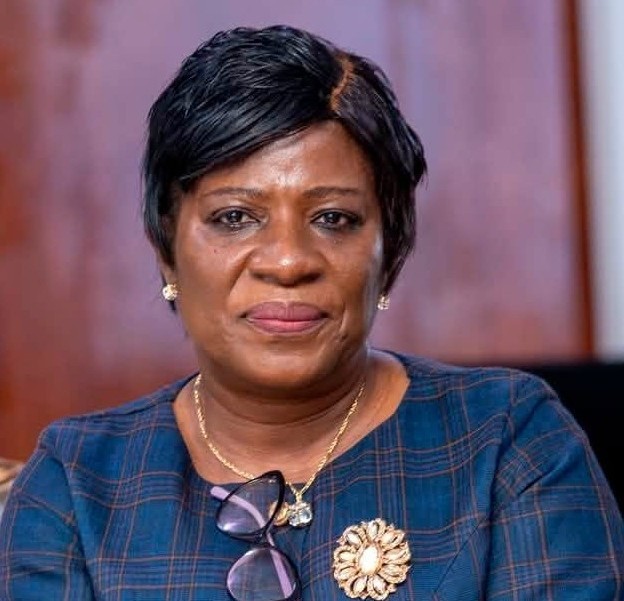
- Ms. Golda Grace Asante (RCD)
Photo Gallery