BONO GENDER DEP’T EMBARKS ON SENSITIZATION PROGRAMME ON MENTAL HEALTH AND PSYCHOSOCIAL SUPPORT
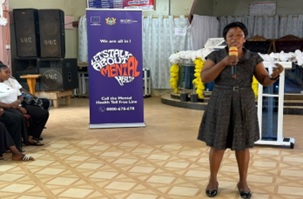
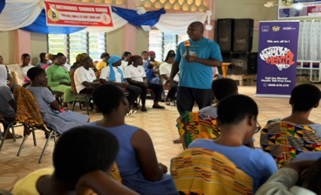
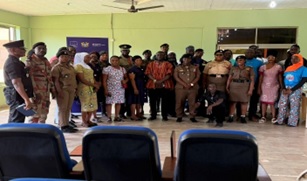
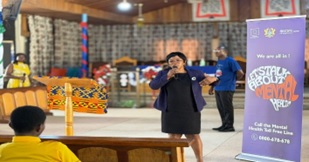
The Bono Region Department of Gender in collaboration with IOM embarked on a five days sensitization programme to educate participants on Mental Health and Psychosocial Support (MHPSS). The engagement brought together participants from the Sunyani West, Berekum, Nkwrankwanta, Dormaa and Wenchi Municipalities. Participants included nurses, Ghana Immigration Service, Ghana Police Service, students, Dressmakers and Tailors associations, beauticians and other relevant stakeholders. Immigrants from Libya and other Arab countries shared their painful experiences and how International Organization for Migration (IOM) helped to bring them back to Ghana.
PRESENTATIONS
MENTAL HEALTH AUTHORITY
Dr. Joseph Yere, the Bono Regional Mental Health Co-ordinator took participants through the importance of Mental Health and why our mental health should be important in our daily lives. He explained that Severe Headache, Mood swings, Anxiety, Low self-esteem, persistent sadness, difficulty sleeping or sleeping too much, Rapid Heartbeat, Poor memory, Loss of interest in social activities, Hearing of strange voices that others cannot hear and Loss of appetite or eating too much are symptoms of mental health problems.
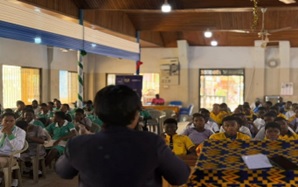
Dr. Yere also cautioned students on the use of drug and drug abuse like Weed, cocaine Shisha and other drug substances. He also warned students against alcoholism and caution them to refrain from it to avoid mental health problem. Dr. Joseph also explained that the right ways to maintain good mental health are to eat a balanced diet, exercise regularly, get enough sleep, share problems with trusted people or family members, avoid drugs and misuse of alcohol and seek professional help when necessary (visit a psychologist, social workers and counsellors etc).
He ended the speech by saying that mental disorders can affect person’s emotions, thoughts etc therefore early detection proper treatment can help people to recover and live a healthy life. He also encouraged participants to reduce stigmatization of returned migrant and promote uphold inclusion.
DEPARTMENT OF GENDER
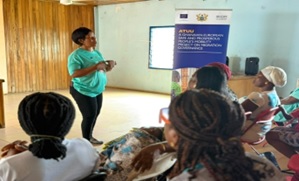
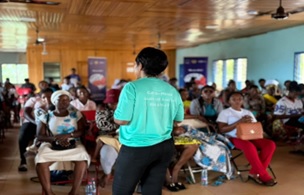
Madam Mariama represented the Regional Director for the Department of gender under the Ministry of Gender, Children and Social Protection and presented by explaining that domestic violence, family relationship and care giving, discrimination and gender inequality, sexual violence and traumatic experiences, menopause and other life transition, lack of social support, poverty and unemployment are factors that affect women’s mental health. Mental health plays an important role in women’s overall well-being. Poor mental health can affect their physical health, relationships, education, work and family life.
She further explained that women should intentionally take steps to improve their mental health by reporting issues of domestic violence, seek help from professional workers like, social workers, mental health workers, Department of gender, DOVVSU etc. She also encouraged participants to reduce stigma and encourage open discussion, provide emotional support and social support and improve access to mental health services.
She also entreated participants to show love to people who migrated and are back into the community. Immigrants should be welcomed, accepted, and given the necessary support to rebuild their lives and establish a better future.
Madam Mariama strongly highlighted that we should listen, support and act because Mental Health is community health and our community begins with all of us. We must therefore educate ourselves, challenge harmful cultural beliefs and treat everyone with dignity, respect and compassion.
She concluded by saying that mental health is everyone’s responsibility and encouraged that we reach out when someone is struggling. Women also need emotional support, equal opportunities, protection from violence, and access to appropriate mental health services. Lastly, seeking help for mental health problem is a sign of strength not a weakness.
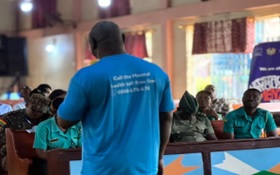
In conclusion, this toll-free number (0800-678-678) was shared to reach for immediate help when one is experiencing mental health problem and as and when anyone is stacked in any foreign country. She also mentioned this too-free number (0800-742-900) was shared specially for students who experience bullying in their various schools.
Top Management
-
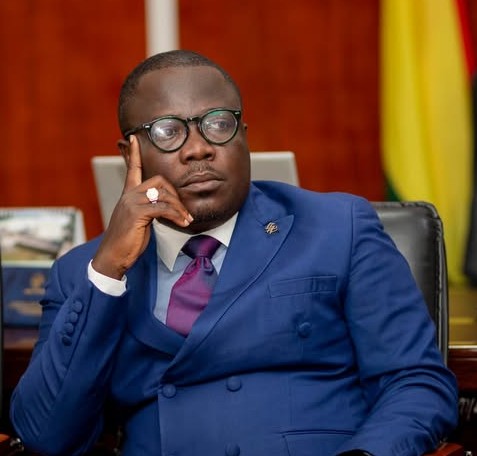
- Hon. Joseph Addae Akwaboa (RM)
-
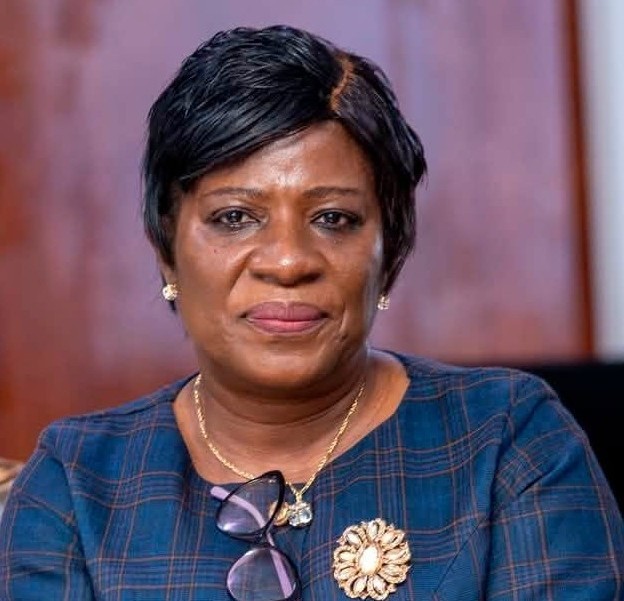
- Ms. Golda Grace Asante (RCD)
Photo Gallery